Friday, July 19, 2019

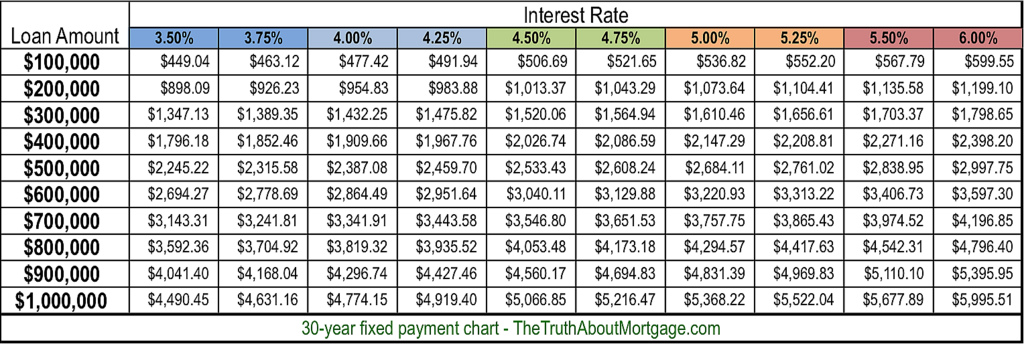
The Cost of Waiting: Interest Rates Edition

Infographic Courtesy of Keeping Current Matters/The KCM Blog

Some Highlights:

  • Interest rates are projected to increase steadily heading into 2020.
  • The higher your interest rate, the more money you will end up paying for your home and the higher your monthly payment will be.
  • Rates are still low right now – don’t wait until they hit 5% to start searching for your dream home!

Tuesday, July 16, 2019

Should I Refinance My Home?

Article Courtesy of Keeping Current Matters / The KCM Blog

With the recent lower interest rates, many homeowners are wondering if they should refinance.

To decide if refinancing is the best option for your family, start by asking yourself these questions:

Why do you want to refinance? 

There are many reasons to refinance, but here are three of the most common ones:
  1. Lower your interest rate and payment– This is the most popular reason. If you have a 5% interest rate or higher, it might be worth seeing if you can take advantage of the current lower interest rates, hovering below 4%, to reduce your monthly payment and overall cost of the loan.
  2. Shorten the term of your loan– If you have a 30-year loan, it may be advantageous to change it to a 15 or 20-year loan to pay off your mortgage sooner.
  3. Cash-out refinance– With home prices increasing, you might have enough equity to cash out and invest in something else, like your children’s education, a vacation home, or a new business.
Once you know why you might want to refinance, ask yourself the next question:

How much is it going to cost? 

There are fees and closing costs involved in refinancing, and Lenders Networkexplains:
“If you were to refinance that loan into a new loan, total closing costs will run between 2%-4% of the loan amount.”
They also explain that there are options for no-cost refinance loans, but be on the lookout:
“A no-cost refinance loan is when the lender pays the closing costs for the borrower. However, you should be aware that the lender makes up this money from other aspects of the mortgage. Usually pay charging a slightly higher interest rate so they can make the money back.” 
If you’re comfortable with the costs of refinancing, then ask yourself one more question:

Is it worth it? 

To answer this one, we’ll use an example. Let’s assume you have a $200,000 home loan. A 4% refinance cost will be $10,000. If you want to lower your interest rate from 6% to 4%,  then refinancing is going to save you $244 per month. To break even ($10,000/$244), you need to continue owning your home for over 40 months.
Now that you know how the math shakes out, think about how much longer you’d like to own your current home. If you plan to stay for more than 3 years, then maybe it is advantageous for you to refinance.
If, however, your current home does not fulfill your present needs, you might want to consider using your potential refinance costs for a down payment on a new move-up home. You will still get a lower interest rate than the one you have on your current house, and with the equity you’ve already built, you can finally purchase the home of your dreams.

Bottom Line

There are many opportunities for growth in the current real estate market. To find out what’s right for your family, meet with a local real estate professional who can help you understand your options and guide you toward the best decision.

Monday, July 15, 2019

SCCL Mid-July Update

Photo Courtesy of Dan Peters
UPDATED 7/25/19


Interactive charts have the most current stats available from CMLS.
They can be found by clicking on the "UP-TO-DATE STATS" link at top of this page and scrolling down to the interactive charts. 
These charts are current through the end of the previous month. 
Click on any graph to see stats at a given point in time.  
Each data point is 1 month of activity.  

 Home Inventory Determines What Kind of Market We Are In
Months of supply is the measure of how many months it would take for the current inventory of homes on the market to sell, given the current pace of home sales. For example, if there are 50 homes on the market and 10 homes selling each month, there is a 5 month supply of homes for sale. 
  • Less than 6 months of inventory = Seller's Market with upward pressure on prices
  • More than 6 months of inventory = Buyer's Market with downward pressure on prices
Months of Supply at the End of June
 Single Family Homes:       3.9 months
Carriage Homes & Villas:  1.3 months

--------------------------------

For Current MLS Listings Click HERE.
The info you receive in your mail tube is only current through the day it was printed.  
To receive daily updates on the SCCL market, contact me.

Thursday, July 4, 2019

Independence Day Message


What It Means to Be an American

Author Unknown

To believe in the promise
of a better tomorrow,
and stand united in our efforts
to give a peaceful nation
to our children...

 
To honor each other's differences
and cherish the richness of our history,
even as it continues to unfold
from sea to shining sea...

 
To love deeply
our friends and family, day by day,
and never take for granted
the privilege of calling ourselves American.


Wishing you a Safe and Happy 4th of July!

Monday, June 24, 2019

$10,000 PRICE ADJUSTMENT ON BEAUTIFUL VERNON HILL WITH BASEMENT


57154 Nightingale Way
Indian Land, SC 29707

$410,000
 
UNDER CONTRACT 
 

Residential  |  4 Beds  |  3 Full Baths  |  3287 Sq. Ft.  |  MLS# 3503118


A great new price on a lovely home! 
Main Property Photo


VIRTUAL TOUR

For more information, click HERE.

Saturday, June 22, 2019

4 Reasons to Sell This Summer

Infographic Courtesy of Keeping Current Matters/The KCM Blog

Some Highlights:

  • Buyer demand continues to outpace the supply of homes for sale. This means that buyers are often competing with one another for the few listings that are available.
  • Housing inventory is still under the 6-month supply needed to sustain a normal housing market.
  • Now may be the time for you and your family to move on and start living the life you desire!

Tuesday, June 18, 2019

Why Is So Much Paperwork Required to Get a Mortgage?

Article Courtesy of Keeping Current Matters/The KCM Blog

When buying a home today, why is there so much paperwork mandated by the lenders for a mortgage loan application? It seems like they need to know everything about you. Furthermore, it requires three separate sources to validate each and every entry on the application form. Many buyers are being told by friends and family that the process was a hundred times easier when they bought their home ten to twenty years ago.

There are two very good reasons that the loan process is much more onerous on today’s buyer than perhaps any other time in history.

1. The government has set new guidelines that now demand that the bank proves beyond any doubt that you are indeed capable of paying the mortgage.
During the run-up to the housing crisis, many people ‘qualified’ for mortgages that they could never pay back. This led to millions of families losing their home. The government wants to make sure this can’t happen again.

2. The banks don’t want to be in the real estate business.
Over the last several years, banks were forced to take on the responsibility of liquidating millions of foreclosures and negotiating an additional million plus short sales. Just like the government, they don’t want more foreclosures. For that reason, they have to double (maybe even triple) check everything on the application.

However, there is some good news in this situation.

The housing crash that mandated that banks be extremely strict on paperwork requirements also allowed you to get a low mortgage interest rate.

The friends and family who bought homes ten or twenty years ago experienced a simpler mortgage application process, but also paid a higher interest rate (the average 30-year fixed rate mortgage was 8.12% in the 1990s and 6.29% in the 2000s).
If you went to the bank and offered to pay 7% instead of around 4%, they would probably bend over backward to make the process much easier.

Bottom Line

Instead of concentrating on the additional paperwork required, let’s be thankful that we are able to buy a home at historically low rates.

Saturday, June 15, 2019

Top 4 Renovations for the Greatest Return on Investment! [INFOGRAPHIC]

Infographic and Highlights Courtesy of Keeping Current Matters/The KCM Blog

Top 4 Renovations for the Greatest Return on Investment! [INFOGRAPHIC] | Keeping Current Matters

Some Highlights:

  • If you are planning on listing your house for sale this year, these four home improvement projects will net you the most Return on Investment (ROI).
  • Minor renovations can go a long way toward improving the quality of your everyday life and/or impressing potential buyers.
  • Whether you plan to stay in your house for a long time or just a few years, it’s smart to know which home renovations add the most value.

Monday, June 10, 2019

2 Myths Holding Back Home Buyers

Article Courtesy of Keeping Current Matters / The KCM Blog

Freddie Mac recently released a report entitled, “Perceptions of Down Payment Consumer Research.” Their research revealed that,
“For many prospective homebuyers, saving for a down payment is the largest barrier to achieving the goal of homeownership. Part of the challenge for those planning to purchase a home is their perception of how much they will need to save for the down payment…
…Based on our recent survey of individuals planning to purchase a home in the next three years, nearly a third think they need to put more than 20% down.”

Myth #1: “I Need a 20% Down Payment”

Buyers often overestimate the funds needed to qualify for a home loan. According to the same report:
22% of renters and 31% of homeowners believe lenders require 20% or more of a home’s sale price as a down payment for a typical mortgage today. And,
“If a 20% down payment was required, 70% of those who were planning to buy a home in the next three years said it would delay them from purchasing and nearly 30% indicated they would never be able to afford a home.”  
While many believe at least 20% down is necessary to buy the home of their dreams, they do not realize programs are available which permit as little as 3%. Many renters may actually be able to enter the housing market sooner than they ever imagined!

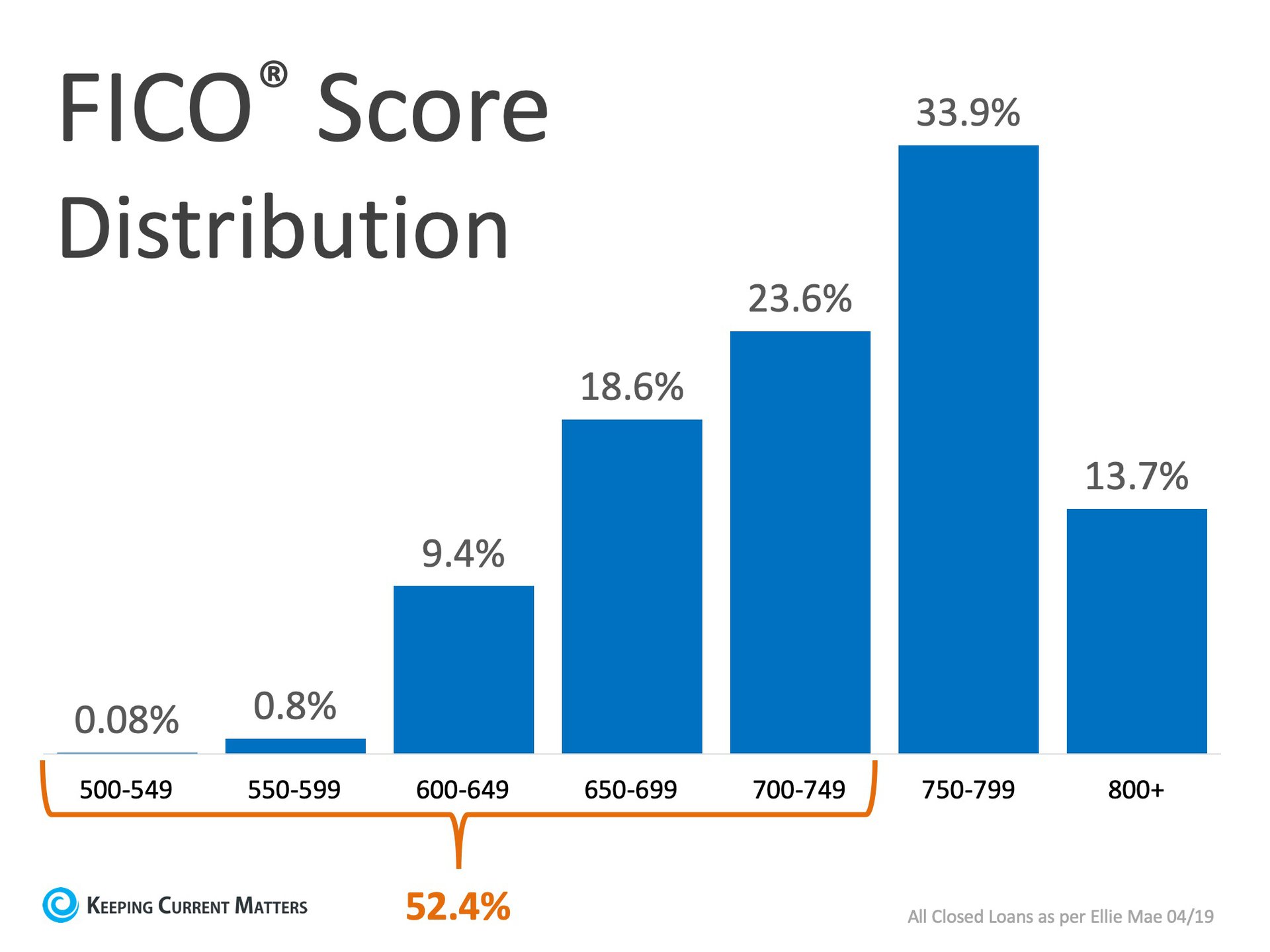
Myth #2: “I Need a 780 FICO® Score or Higher to Buy”

Many either don’t know or are misinformed concerning the FICO® score necessary to qualify, believing a ‘good’ credit score is 780 or higher.
To debunk this myth, let’s take a look at Ellie Mae’s latest Origination Insight Report, which focuses on recently closed (approved) loans.2 Myths Holding Back Home Buyers | Keeping Current Matters 

As indicated in the chart above, 52.4% of approved mortgages had a credit score of 600-749.

Bottom Line

Whether buying your first home or moving up to your dream home, knowing your options will make the mortgage process easier. Your dream home may already be within your reach.